How Indian Students Can Build Connections in the USA
From the tech buzz of Stanford to the financial pulse of NYU, the U.S. offers Indian students a shot at global careers in fields like computer science, engineering, and finance. But here’s the truth: success isn’t just about grades or test scores—it’s about who you know. Building a professional network in the U.S. is like planting seeds for your future, and for Indian students navigating competitive markets like tech and finance, it’s a game-changer. Whether it’s through career fairs, student organizations, LinkedIn, informational interviews, or alumni connections, strategic networking can open doors to internships and jobs. Let’s dive into how to make those connections, with practical strategies tailored for Indian students to thrive in the U.S.
Why Networking Matters for Indian Students
In the U.S., the saying “it’s not what you know, it’s who you know” carries weight. Networking isn’t just schmoozing at events—it’s about building relationships that lead to opportunities. For Indian students, who often face visa hurdles like the H-1B lottery and cultural differences, a strong network can mean the difference between landing a tech internship at Google or a finance role at Goldman Sachs. According to a LinkedIn survey, over 70% of jobs are filled through connections, not job boards. For Indian students in STEM (over 70% of whom pursue fields like computer science) or business, networking is a lifeline to competitive industries. It’s about creating a web of mentors, peers, and professionals who can guide, refer, or hire you.
Dive into Career Fairs
Career fairs are a goldmine for networking, bringing employers to campus to recruit students. Universities like MIT, UCLA, and NYU host massive fairs, attracting tech giants (Amazon, Microsoft), finance firms (JPMorgan Chase), and startups. These events let you meet recruiters, pitch your skills, and learn about internships or full-time roles.
How to make it work: Research companies attending the fair—check your university’s career center website for a list. Prepare a 30-second elevator pitch summarizing your skills and goals, like: “I’m a computer science major at UC Berkeley with experience in machine learning projects, aiming to contribute to AI-driven solutions.” Bring printed resumes tailored to your field—highlight projects like a Python-based app or a finance case study. Dress professionally (business casual is fine) and follow up with recruiters via email or LinkedIn within 24 hours.
Tip for Indian students: Practice your pitch to sound confident, as cultural norms in India may emphasize modesty. Attend smaller fairs, like NYU’s Startup Career Fair, to connect with emerging companies that sponsor visas. A student at MIT landed a summer internship at Intel after meeting a recruiter at a tech fair and following up with a thank-you email.
Join Student Organizations
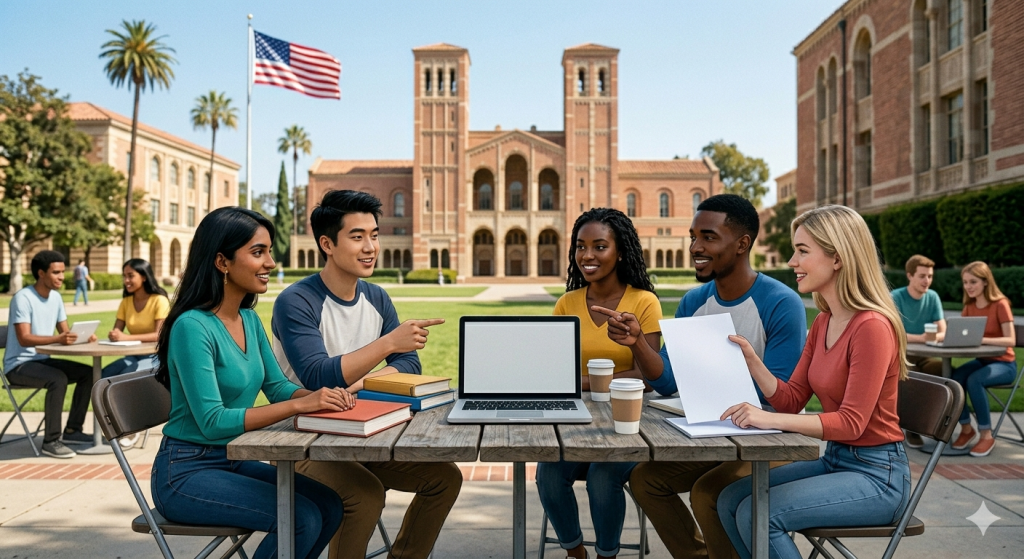
Student organizations are a vibrant way to build connections while finding a sense of community. Indian student associations, like Sangam at MIT or UCLA’s Indian Student Union, host career panels, alumni mixers, and cultural events like Diwali, connecting you with peers and professionals. Broader groups, like entrepreneurship clubs at Stanford or finance societies at NYU, offer industry-specific networking.
How to make it work: Join early—orientation or club fairs are perfect for signing up. Get involved beyond attending events; volunteer to organize a panel or lead a project to stand out. For example, helping plan a tech talk for Berkeley’s South Asian Student Association can put you in touch with Indian alumni in Silicon Valley. Engage with diverse clubs, like a coding bootcamp or investment club, to meet students from other backgrounds who might connect you to opportunities.
Leverage Indian student groups for familiarity but branch out to build a diverse network. A student at USC joined both the Indian Students Association and a data science club, meeting a recruiter through the latter that led to a fintech internship. Share your culture—hosting a chai chat or Bollywood event can draw professionals interested in India’s market.
Master LinkedIn
LinkedIn is a must-have tool for networking in the U.S., acting as your digital resume and connection hub. With over 900 million users, it’s where recruiters, alumni, and industry leaders scout talent. For Indian students, LinkedIn bridges the gap between campus and corporate worlds, especially in tech and finance.
Create a polished profile—use a professional headshot, write a headline like “Computer Science B.S. at NYU | Seeking AI Internships,” and list projects, skills (e.g., Python, financial modeling), and coursework. Join groups like “Indian Professionals in Tech” or “Finance Careers USA” to engage in discussions. Connect with classmates, professors, and alumni, personalizing invites: “I admired your talk at UCLA’s career fair and would love to connect.” Post about your projects or industry trends to showcase expertise.
Follow companies like Google or Goldman Sachs and comment on their posts to gain visibility. A student at Stanford connected with a Microsoft recruiter by sharing an AI project on LinkedIn, leading to an OPT role. Search for Indian alumni in your field—use your university’s LinkedIn page to filter by location or industry.
Conduct Informational Interviews
Informational interviews are informal chats with professionals to learn about their career paths and industries. They’re a low-pressure way to build relationships, especially for Indian students navigating U.S. work culture. These conversations can lead to referrals or mentorship, critical for competitive fields like tech or finance.
How to make it work: Identify professionals through LinkedIn, alumni networks, or career fairs. Reach out with a concise email: “I’m a computer science student at MIT interested in data science. Could I ask you 15 minutes about your role at Amazon?” Prepare 3-5 questions, like “What skills are most valued in your field?” or “How did you transition from OPT to H-1B?” Follow up with a thank-you note and stay in touch periodically.
Start with Indian alumni, who may relate to your visa challenges. A student at NYU landed a finance internship after an informational interview with a Columbia alum at JPMorgan. Be respectful of time—keep chats to 15-20 minutes—and avoid asking for a job directly.
Tap into Alumni Connections
Alumni are a treasure trove for networking, offering insights and connections from those who’ve walked your path. Universities like UC Berkeley and MIT have robust alumni networks, with Indian graduates often eager to help students from home. Alumni events, like Stanford’s Entrepreneurial Thought Leaders Series or UCLA’s alumni mixers, are prime networking spots.
How to make it work: Use your university’s alumni database or LinkedIn to find graduates in your field. Attend alumni panels or career events—many are virtual, making them accessible. Reach out with a specific ask, like advice on breaking into tech or navigating H-1B sponsorship. Be genuine—share your goals and ask about their experiences.
Join Indian alumni groups, like Berkeley’s South Asian Alumni Network, for targeted support. A student at USC connected with an Indian alum at Google through an alumni mixer, securing a referral for a software engineering internship. Mention shared experiences, like studying in India, to build rapport.
Challenges for Indian Students
Networking in the U.S. comes with hurdles for Indian students:
- Cultural Differences: Indian students may find U.S. networking’s informal, direct style unfamiliar compared to India’s formal systems. Practicing small talk or elevator pitches can help.
- Visa Restrictions: F-1 visa rules limit work to OPT or CPT, and the H-1B lottery (30-40% selection rate) adds uncertainty. Networking with H-1B-friendly employers, like Microsoft, is key.
- Time and Confidence: Balancing academics and networking can be tough, especially if you’re shy. Start with low-stakes events, like club meetings, to build confidence.
Solutions: Attend university workshops on networking—NYU’s career center offers pitch practice. Focus on visa-friendly industries like tech, where Indian graduates are in demand. Use on-campus jobs ($12-$20/hour, 20 hours/week max) to fund networking expenses, like travel to conferences.
Practical Tips for Success
To build a robust network as an Indian student, start early and stay strategic:
- Start in Year One: Attend career fairs and club events as a freshman to build relationships early. A student at MIT met a recruiter at a first-year fair, leading to a summer internship.
- Prepare Your Pitch: Craft a concise story about your skills and goals. Practice with peers or at career centers to sound natural. Highlight projects, like a machine learning model or finance case study.
- Be Consistent on LinkedIn: Post regularly about your work—sharing a coding project or finance article can attract recruiters. Connect with 5-10 professionals weekly.
- Follow Up: After meeting someone, send a thank-you email or LinkedIn message within 48 hours. A student at UCLA secured a referral by following up after a career fair.
- Leverage Indian Communities: Join Indian student groups for cultural comfort but expand to diverse clubs for broader connections. A Berkeley student joined both Sangam and a startup club, landing a tech internship.
- Use University Resources: Career centers, like Stanford’s BEAM, offer resume reviews and mock interviews. International student offices provide visa guidance for job searches.
A Career That Soars
Building a professional network in the U.S. is a game-changer for Indian students. A connection at a UCLA career fair led one student to a data science role at a startup. Another’s LinkedIn outreach to an Indian alum at Goldman Sachs sparked a finance internship. These real-world outcomes show that networking opens doors to internships, OPT roles, and H-1B opportunities in tech and finance.
The U.S. is a land of opportunity, but it’s your network that unlocks it. From career fairs to LinkedIn, student organizations to alumni connections, every interaction is a step toward your dream job. Embrace the challenge, step out of your comfort zone, and build relationships that last. Your future in the U.S.—or beyond—starts with the connections you make today.